

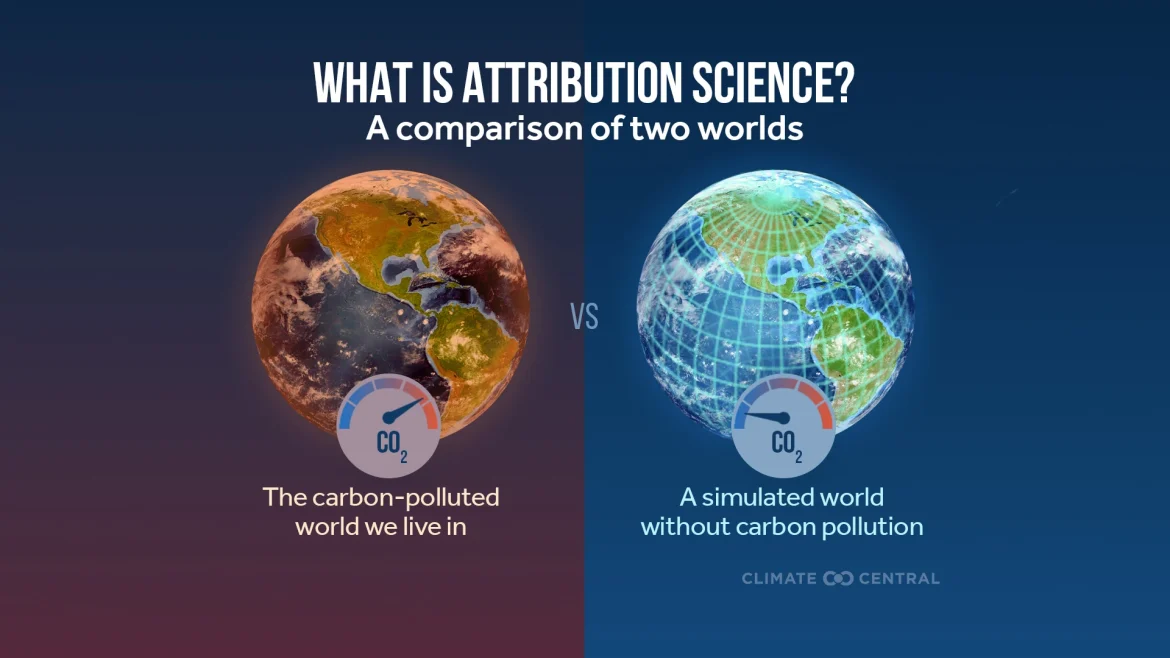
Let’s be honest. For a long time, talking about climate change felt… abstract. Distant. Something for policymakers and scientists to hash out. But now? It’s showing up in our utility bills, our insurance premiums, and the very foundation of our homes. The conversation has shifted, you know, from just preventing the problem to dealing with the impacts already here.
That’s where adaptation and resilience come in. And this isn’t just a civic duty—it’s a core part of our personal and collective economic survival. This is the new math of modern life.
The Sticker Shock of a Changing Climate
First, the hard truth. Ignoring climate adaptation is becoming incredibly expensive. Think of it like skipping maintenance on your car. Sure, you save a few bucks now, but when the engine seizes, the bill is catastrophic.
We’re seeing this on a massive scale. Cities spend billions on sea walls. Insurers pull out of high-risk states like Florida and California, leaving homeowners scrambling. Crop yields wobble with weird weather, nudging grocery prices up. These are macro-economic tremors that ripple straight into our wallets.
The Personal Finance Wake-Up Call
So what does this mean for you and me? Well, it means our biggest assets—our homes, our health, our jobs—are now exposed to climate risk in a very tangible way. Building resilience is no longer a niche “green” choice; it’s a foundational strategy for financial stability.
Building Your Financial Resilience: A Practical Guide
Okay, enough with the scary stuff. Here’s the deal: you can take steps. Adapting isn’t about fear; it’s about smart, forward-looking planning. Let’s break it down.
1. Rethink Your Biggest Investment: Your Home
For most of us, our home is our castle—and our bank account. Protecting it is job one.
- Harden Your Habitat: This sounds intense, but it’s often simple. Install sewer backflow valves if you’re in a flood-prone area. Choose fire-resistant roofing materials if you’re near wildlands. Seal gaps and improve insulation for both extreme heat and cold. These upgrades often pay for themselves through lower insurance premiums and utility bills, honestly.
- Understand Your Insurance (Really): Don’t just auto-renew. Read your policy. Is flood damage covered? (Spoiler: Usually not—that’s a separate policy.) What’s your deductible for hurricane wind damage? Knowing your gaps is the first step to filling them.
- Location, Location, Adaptation: If you’re moving, factor in climate risk alongside school districts. Check FEMA flood maps, wildfire risk scores, and even local heat indexes. It’s a new layer of due diligence.
2. Future-Proof Your Budget and Career
Climate change is reshaping job markets and monthly expenses. Getting ahead of this curve is savvy.
Consider the “resilience budget.” Maybe it’s a line item for higher energy costs during a brutal heatwave. Or an emergency fund that’s a bit fatter—enough to cover an unexpected evacuation or a hefty insurance deductible. It’s boring, but it’s power.
And your career? Skills in renewable energy, sustainable agriculture, water management, and even disaster recovery are becoming more valuable. Upskilling isn’t just trendy; it’s a form of economic adaptation.
3. Investment as a Force for Adaptation
Your investment portfolio isn’t separate from all this. It’s connected. There’s a growing focus on climate-resilient infrastructure—companies building better grids, water systems, and sustainable materials. Investing here isn’t just idealism; it’s betting on the solutions the world desperately needs.
Conversely, it’s worth asking your financial advisor about your exposure to assets in highly vulnerable regions or industries stuck in the old paradigm. It’s about risk management, plain and simple.
The Bigger Picture: Economics That Bend, Don’t Break
This personal stuff, well, it all adds up. When millions of households are more resilient, the entire economy is more stable. It’s the difference between a community that gets knocked down by a storm and one that stumbles but gets back up quickly.
We’re talking about local economies that keep humming because businesses have backup power. Municipal budgets that aren’t obliterated by a single disaster. It’s an economy designed for the reality we live in, not the one we wish we had.
| Adaptation Action | Upfront Cost | Long-Term Financial Benefit |
| Home Energy Audit & Sealing | Low – Moderate | Lower utility bills, increased comfort, potential tax credits. |
| Flood Mitigation (e.g., raising utilities) | Moderate – High | Drastically lower flood insurance premiums, protects property value. |
| Planting Native, Drought-Tolerant Landscaping | Low | Reduces water bills, lowers maintenance costs, can curb fire risk. |
| Building a Robust Emergency Fund | Requires discipline | Prevents debt from unexpected climate-related events (evacuation, repairs). |
A Final, Human Thought
In the end, climate adaptation in our economic lives isn’t about building a fortress. It’s about building flexibility. It’s the financial equivalent of planting deep-rooted trees that can weather a storm, rather than rigid ones that snap.
The most valuable asset we’re all protecting isn’t just money in the bank. It’s security. It’s peace of mind. It’s the capacity to thrive in a world that’s changing right before our eyes. And that, when you think about it, might be the ultimate return on investment.


